

Taking care of teeth and gums impacts the whole body’s health instantly. Brushing and flossing used to be the main focus, but probiotics flipped the script. These good bacteria do more than help digestion—they fight cavities and gum issues too. Studies show probiotics cut down bad mouth bacteria like superheroes protecting your smile. Looking for a brighter, healthier grin? Probiotics could be the secret weapon to boost confidence and keep teeth strong much longer than usual. Dive in to unlock how this little-known trick can seriously upgrade your dental routine.
Understanding Probiotics
Probiotics are live microorganisms that provide numerous health benefits when consumed in adequate amounts. These beneficial bacteria can be found in certain foods. They are commonly associated with gut health, helping to restore the natural balance of bacteria in the digestive system. However, research has shown that probiotics can also influence oral health by promoting a healthy balance of bacteria in the mouth.
Maintaining Oral Microbiota
The human mouth is home to millions of bacteria, some of which are harmful and can lead to oral health issues such as tooth decay, gum disease, and bad breath. A delicate balance exists between the good and bad bacteria in the mouth, and disruptions to this balance can result in oral health problems. This is where probiotics come into play.
Certain strains of probiotics, such as Lactobacillus and Bifidobacterium, have been found to inhibit the growth of harmful bacteria in the mouth. They work by competing with the bad bacteria for space and resources, thus reducing their ability to cause damage. By promoting a healthier balance of oral microbiota, probiotics can help prevent the onset of dental problems.
Preventing Tooth Decay
Tooth decay, commonly known as cavities, is a widespread oral health issue. It occurs when the bacteria in the mouth feed on sugars and produce acids that erode the tooth enamel. Probiotics can help prevent tooth decay by reducing the levels of harmful bacteria responsible for this process.
Studies have shown that the use of probiotic lozenges or mouth rinses can lead to a decrease in the number of cavity-causing bacteria, such as Streptococcus mutants, in the mouth. By inhibiting their growth, probiotics create an unfavorable environment for these bacteria, reducing the risk of tooth decay.
Improving Gum Health
Gum disease, or periodontal disease, is a chronic inflammatory condition that affects the gums and surrounding tissues. It is primarily caused by the accumulation of plaque, a sticky film of bacteria, on the teeth and gums. If left untreated, gum disease can lead to tooth loss and other systemic health problems.
Research suggests that probiotics may help improve gum health by reducing inflammation and preventing the growth of harmful bacteria associated with gum disease.
Freshening Breath
Bad breath, or halitosis, can be embarrassing and may indicate an underlying oral health issue. While there are several causes of bad breath, including poor oral hygiene and certain medical conditions, the presence of harmful bacteria in the mouth is a common culprit.
Probiotics can help freshen breath by the growth of odor-causing bacteria. By restoring the natural balance of oral microbiota, probiotics reduce the population of bacteria that produce foul-smelling compounds. Incorporating probiotic-rich foods or using probiotic mouth rinses can contribute to a more pleasant breath.
Incorporating Probiotics into Oral Care
Now that we understand the potential benefits of probiotics for oral health, it’s essential to know how to incorporate them into our daily oral care routine. There are several ways to introduce probiotics for dental well-being:
- Probiotics: Look for oral probiotics specifically formulated for dental health. These probiotics often contain strains like Lactobacillus and Bifidobacterium.
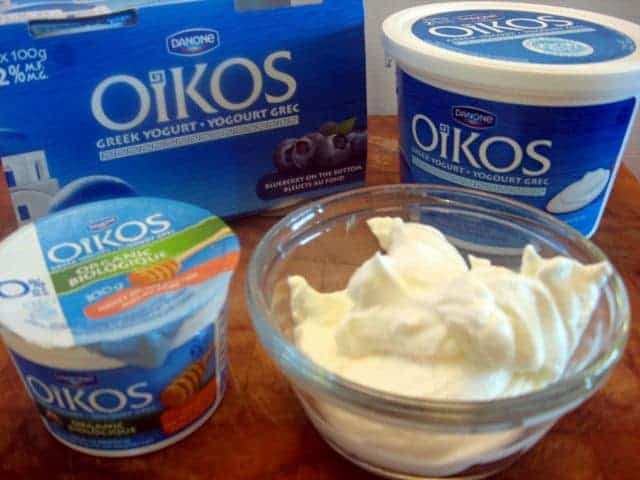
- Probiotic-rich foods: Consume fermented foods like yogurt, kefir, sauerkraut, and kimchi, which naturally contain probiotics. These foods can provide additional oral health benefits when incorporated into a balanced diet.
- Probiotic oral care products: Some toothpaste, mouth rinses, and lozenges are infused with probiotics. These products can be used alongside regular oral care practices for added benefit.
Conclusion
Taking care of our oral health goes beyond the traditional brushing and flossing routine. The inclusion of probiotics in our daily oral care regimen can contribute to improved dental well-being. By promoting a healthier balance of oral microbiota, probiotics help prevent tooth decay, gum disease, and bad breath. Whether through probiotic-rich foods, or oral care products, incorporating probiotics can be a valuable addition to our quest for a healthier smile. Consult with your dentist or healthcare provider to determine the best approach for your oral health needs and enjoy the benefits that probiotics can bring to your overall well-being. Feel free to visit their page to learn more about probiotics for gut health.